

Summary:
Understanding EPA Regulations for Burials at Sea
The Environmental Protection Agency oversees all burials at sea under the Marine Protection, Research, and Sanctuaries Act. This isn’t bureaucratic red tape—it’s environmental protection that ensures ocean ecosystems remain healthy while honoring your loved one.
The EPA has issued a general permit that covers most burial at sea situations. You don’t need to apply for individual permission, but you do need to follow specific guidelines. Think of it as having a pre-approved framework that protects both marine life and your family’s wishes.
The regulations exist because the ocean is a shared resource. By following these protocols, you’re participating in a time-honored tradition while being a responsible steward of the environment your loved one will call their final resting place.
The Three Nautical Mile Rule and Water Depth Requirements
Here’s where many families get confused: the distance and depth requirements aren’t arbitrary numbers. They’re carefully calculated to ensure remains reach the ocean floor in deep, stable waters where they won’t be disturbed by tides or fishing activities.
For cremated remains, you must be at least three nautical miles from shore. There’s no depth requirement for ash scattering, but most professional services go much farther offshore to provide a more serene, private setting. The three-mile rule ensures you’re in federal waters, not state-controlled coastal areas with different regulations.
Full-body burials require both the three-mile distance and water depth of at least 600 feet. In certain areas like east central Florida and west of Pensacola to the Mississippi River Delta, the requirement jumps to 1,800 feet. These depths ensure rapid sinking and permanent placement on the ocean floor.
We typically travel 15-45 miles offshore, far exceeding minimum requirements. This extra distance provides families with peaceful, uninterrupted ceremonies while ensuring full regulatory compliance. The deeper waters also mean better environmental outcomes and no chance of remains washing ashore.
What Materials Are Allowed and Prohibited
The EPA is very specific about what can and cannot go into the ocean. Understanding these material restrictions helps you plan a beautiful ceremony while staying within legal boundaries.
Prohibited items include anything plastic, metal flowers or wreaths, tombstones, monuments, or artificial materials that won’t decompose naturally. This means traditional funeral flowers with plastic stems or wire frames are off-limits. The ocean environment can’t break down these synthetic materials, and they could harm marine life.
Allowed materials focus on natural, biodegradable options. Fresh flowers without plastic components, natural fiber wreaths, and organic cotton burial shrouds are all acceptable. For full-body burials, caskets must be made of biodegradable materials and properly weighted. If you’re not using a casket, the EPA recommends wrapping the body in natural fiber shrouds with additional steel chain weights.
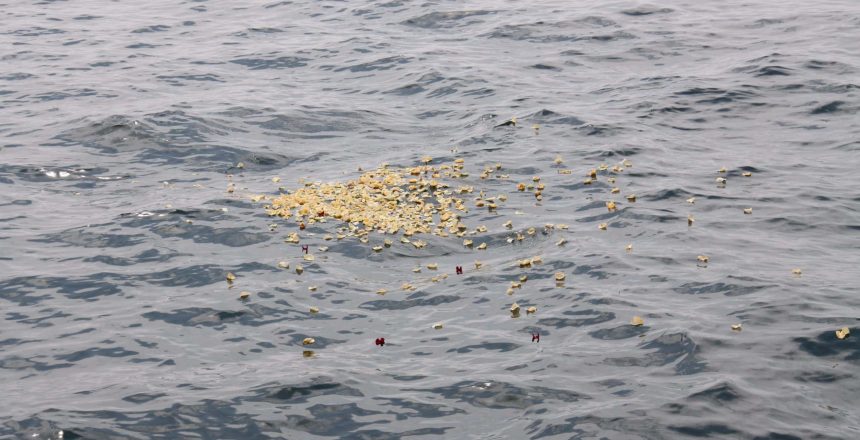
For cremated remains, you can use biodegradable urns designed to dissolve in saltwater, or simply scatter ashes directly. Many families choose water-soluble urns that float briefly before opening, creating a meaningful moment as the ashes are released. The key is ensuring everything placed in the ocean will naturally decompose and become part of the marine ecosystem.
Step-by-Step Process for Legal Compliance
The actual process of conducting a legal burial at sea is more straightforward than many families expect. You don’t need advance permits, but you do need to follow specific steps before, during, and after the ceremony.
The most important thing to understand is timing. While no advance permission is required, you must notify the EPA within 30 days after the burial. This notification isn’t a fine or penalty—it’s a simple reporting requirement that helps track burial locations and environmental impact.
Working with us simplifies this entire process. We handle the regulatory compliance, vessel requirements, and proper procedures while you focus on creating a meaningful farewell for your loved one.
Required Documentation and Reporting Procedures
Documentation requirements vary depending on whether you’re scattering ashes or conducting a full-body burial. For ash scattering, you’ll need basic information about the deceased and burial location. Full-body burials require more extensive documentation through a licensed funeral director.
The EPA notification must include the deceased’s name, date of burial, burial location coordinates, and the responsible party’s contact information. You can submit this notification by mail, fax, or email to the appropriate EPA regional office. For burials in New York waters, you’ll report to EPA Region 2.
We handle all reporting requirements as part of our service. We provide you with a certificate showing the exact GPS coordinates of your loved one’s final resting place, and we ensure all EPA notifications are filed correctly and on time. This removes the administrative burden from families during an emotionally difficult period.
State and local requirements may also apply, particularly for transporting remains to the departure point. If you’re working with a funeral director, they’ll coordinate these requirements. For direct ash scattering without a funeral director, check with local authorities about any additional documentation needed for transportation.
Choosing the Right Vessel and Professional Services
Not all boats are suitable for burials at sea, and not all captains understand the legal requirements. Choosing the right vessel and crew is crucial for both safety and legal compliance.
Coast Guard-inspected vessels are your safest choice. These boats meet federal safety standards for passenger operations and typically carry proper insurance coverage. We use vessels specifically equipped for memorial ceremonies, with features like low-profile decks for easy ash release and platforms for full-body commitments.
Our captain is familiar with EPA regulations and proper burial procedures. We provide experienced captains who understand maritime funeral protocols and have extensive experience with burial ceremonies and knowledge of legal requirements.
Consider the vessel’s capacity and amenities based on your family’s needs. Smaller boats accommodate intimate gatherings of 6-12 people, while larger vessels can handle 50+ attendees. We offer catering options, sound systems for music or readings, and comfortable seating for longer journeys to deeper waters. The right vessel makes the difference between a stressful experience and a peaceful, dignified farewell that honors your loved one’s memory.
Creating Your Compliant and Meaningful Sea Burial Plan
Legal compliance doesn’t have to compromise the meaning and beauty of your loved one’s final farewell. By understanding EPA regulations and working with experienced professionals, you can create a ceremony that honors their wishes while meeting all legal requirements.
The key is planning ahead and choosing the right partners. We handle the complex regulatory requirements while you focus on celebrating your loved one’s life. We ensure proper documentation, vessel compliance, and environmental protection while creating space for your family’s personal touches and meaningful rituals.
Remember, thousands of families choose burial at sea each year, and the process is well-established and legally protected. Whether you’re planning for yourself or honoring a loved one’s wishes, we can guide you through every step of creating a dignified, compliant, and deeply meaningful ocean farewell.